 Skip to content






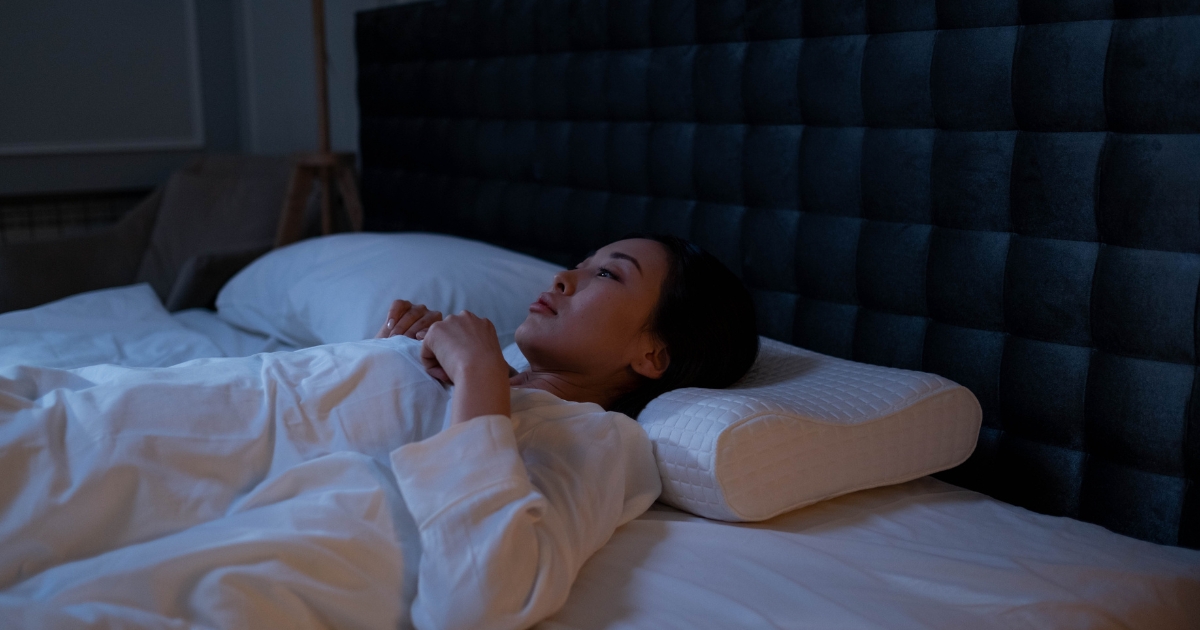
You lie awake at 3 a.m., exhausted but unable to sleep. Your mind races through tomorrow’s tasks, replays old conversations, or simply buzzes with formless anxiety. You’ve tried warm milk, meditation apps, and every sleep hygiene tip on the internet — yet night after night, rest remains elusive. If this sounds familiar, you’re likely wondering whether chronic sleeplessness can truly be resolved or if you’re destined to manage it forever.
Is insomnia curable? This depends on the type and underlying causes of your condition. Acute sleep disturbances often resolve completely with proper intervention, while long-term patterns require sustained treatment. What many sources overlook is the insomnia and mental health connection: persistent sleeplessness frequently signals or worsens conditions like depression, anxiety, and trauma — and addressing these root causes is often the key to lasting recovery.
Can You Actually Cure Insomnia or Just Manage It?
The distinction between acute and chronic sleep disturbances shapes treatment expectations. Acute insomnia lasts fewer than three months and typically arises from identifiable stressors — job loss, grief, medical illness, or major life transitions. When triggers resolve and sleep habits are restored, acute cases often clear completely. Early intervention, including brief cognitive behavioral therapy for sleep disorders, substantially reduces the risk that acute insomnia becomes chronic. For those asking if insomnia is curable in these early stages, the prognosis is excellent with timely care.
Chronic insomnia persists for three months or longer and occurs at least three nights per week. This form often develops when acute patterns become conditioned — your brain associates the bedroom with frustration and hyperarousal rather than rest. Chronic patterns are highly manageable rather than permanently curable. Many individuals achieve long-term remission, sleeping well for years after treatment, though some require periodic tune-ups during stressful periods. While many search for how to cure insomnia permanently, the reality is that chronic patterns require sustained behavioral changes rather than a one-time fix, though long-term remission is achievable.
Insomnia treatment success rates vary by approach, with CBT-I demonstrating effectiveness in 70–80% of cases and producing significant improvement in sleep quality and duration for most patients. Medication provides short-term relief but rarely addresses underlying patterns. Integrated care models that treat co-occurring mental health conditions alongside sleep disturbances show even higher success rates, because they target root causes rather than symptoms alone.
The Hidden Link Between Sleep Disorders and Psychiatric Conditions
The question “Is insomnia curable?” becomes more complex when mental health conditions are involved, as these share a bidirectional relationship where each can trigger or worsen the other. Depression disrupts sleep architecture, reducing deep sleep stages and causing early-morning awakenings. Anxiety keeps the nervous system in a state of hyperarousal, making it nearly impossible to relax into rest. Post-traumatic stress disorder brings nightmares and hypervigilance that fragment sleep throughout the night. Many people asking, “Why can’t I sleep even when tired?” discover that the answer lies in their mental health rather than their sleep habits alone.
What causes long-term sleep problems often lies beneath the surface. Most individuals with major depression experience sleep disturbances, and many with chronic sleeplessness have anxiety disorders. Untreated insomnia increases the risk of developing depression and anxiety disorders. This cycle perpetuates itself: poor sleep worsens mood and cognitive function, which in turn makes sleep more elusive.
Addressing underlying psychiatric conditions frequently resolves sleep issues without direct sleep-focused intervention. When someone receives effective treatment for depression — whether through therapy, medication, or both — their sleep often normalizes as mood stabilizes. Similarly, trauma-focused therapies that reduce hypervigilance and intrusive thoughts can restore the nervous system’s ability to downregulate at night.
Warning signs that sleeplessness may signal a deeper concern include:
- Persistent sadness, hopelessness, or loss of interest in activities you once enjoyed, occurring alongside sleep difficulties
- Excessive worry or panic attacks that intensify at night or prevent you from settling down to rest
- Nightmares, flashbacks, or heightened startle responses that disrupt sleep and suggest unresolved trauma
- Thoughts of self-harm or feeling that life is not worth living, which require immediate professional evaluation
If you or someone you know is in crisis, call or text 988 to reach the Suicide & Crisis Lifeline, available 24/7.
If you experience any of these patterns, mental health specialists can assess whether your sleeplessness stems from a treatable psychiatric condition.
Evidence-Based Approaches That Resolve Chronic Sleep Disturbances
Cognitive Behavioral Therapy for Insomnia (CBT-I) stands as the gold standard treatment out of all the chronic insomnia treatment options, recommended by the American Academy of Sleep Medicine as a first-line intervention. This structured approach typically unfolds over six to eight sessions and targets the thoughts, behaviors, and physiological patterns that perpetuate sleeplessness. Unlike medication, CBT-I produces lasting changes that persist long after treatment ends.
Core Components of CBT-I
CBT-I combines several techniques into a cohesive protocol. Sleep restriction therapy temporarily limits time in bed to match actual sleep duration, which consolidates sleep and rebuilds the association between bed and rest. Stimulus control instructions break the conditioning that links the bedroom with wakefulness — you leave the room if unable to sleep within 20 minutes and return only when drowsy. Cognitive restructuring addresses catastrophic thoughts about sleeplessness that fuel anxiety and hyperarousal, while relaxation training teaches progressive muscle relaxation, diaphragmatic breathing, and guided imagery to calm the nervous system. Many patients who complete CBT-I and wonder if insomnia is curable find that these techniques produce lasting changes.
Medication: When and Why It’s Used
Sleep medications provide short-term relief during acute crises or while establishing behavioral changes through therapy. Benzodiazepines, non-benzodiazepine hypnotics (Z-drugs), and certain antidepressants can help in specific situations. However, most sleep aids lose effectiveness within weeks as the body develops tolerance. They also carry risks: dependency, next-day grogginess, rebound insomnia upon discontinuation, and potential for misuse.
Clinicians typically prescribe medication for brief periods — two to four weeks — while simultaneously starting CBT-I or addressing underlying mental health conditions. This approach prevents long-term reliance while providing immediate symptom relief. For individuals with co-occurring depression or anxiety, certain antidepressants that improve sleep architecture may be appropriate as part of comprehensive psychiatric care.
| Treatment Approach | Primary Mechanism | Typical Duration |
|---|---|---|
| CBT-I | Restructures thoughts and behaviors that maintain sleeplessness | Six to eight sessions over eight weeks |
| Sleep Medication | Sedates the central nervous system to induce drowsiness | Two to four weeks maximum |
| Integrated Mental Health Treatment | Addresses co-occurring depression, anxiety, or trauma driving sleep disturbance | Varies; often 12 weeks or longer |
| Lifestyle Modification | Optimizes sleep environment, exercise, and daily routines | Ongoing maintenance |
Integrated Care Models for Co-Occurring Conditions
When sleeplessness coexists with depression, anxiety, or PTSD, treating each condition in isolation rarely succeeds. Integrated treatment models coordinate care across specialties, ensuring that sleep interventions align with psychiatric medication management and trauma-focused therapies.
Clinicians assess how mood symptoms and anxiety levels affect sleep, then design treatment plans that address all contributing factors. When patients ask, “Is insomnia curable?” in the context of co-occurring conditions, the answer is yes — though recovery may look like sustained improvement rather than permanent elimination of all sleep challenges. Can you recover from chronic insomnia? Most individuals who complete evidence-based treatment sleep well for extended periods, experiencing only occasional setbacks during high-stress times.
| Recovery Factor | Impact on Long-Term Success |
|---|---|
| Consistent CBT-I Practice | Prevents relapse by maintaining behavioral changes even after initial improvement |
| Treatment of Co-Occurring Conditions | Stabilizes underlying drivers like depression and anxiety that perpetuate sleeplessness |
| Lifestyle Modifications | Supports healthy sleep-wake rhythms through exercise, light exposure, and stress management |
| Ongoing Professional Support | Enables early intervention when stressors temporarily disrupt sleep patterns |

Recovery Is Within Reach at Treat Mental Health Texas
If you’re wondering, “Is insomnia curable?” the answer is that chronic sleeplessness does not have to define your life. At Treat Mental Health Texas, our integrated approach treats sleep disturbances alongside co-occurring mental health conditions. Our clinical team specializes in evidence-based therapies like CBT-I, trauma-focused care, and psychiatric medication management — all coordinated to support your unique needs. Call us today to schedule a confidential assessment and take the first step toward restorative rest.
FAQs
These questions address common concerns regarding insomnia and when to seek professional support.
1. Can insomnia be cured permanently?
Acute insomnia lasting fewer than three months can often be cured completely with proper treatment and lifestyle changes. Chronic insomnia is typically manageable rather than permanently curable, but many people achieve long-term remission through evidence-based therapies like CBT-I, especially when underlying mental health conditions are also addressed.
2. How long does it take to recover from chronic insomnia?
Most people see significant improvement within four to eight weeks of starting Cognitive Behavioral Therapy for Insomnia. Full recovery timelines vary based on how long you have had the condition, whether you have co-occurring mental health concerns, and how consistently you apply treatment strategies. Some individuals experience lasting changes within months while others require ongoing management.
3. Why can’t I sleep even when I’m exhausted?
This paradox often results from hyperarousal, when your nervous system remains in a heightened state of alertness due to anxiety, racing thoughts, or conditioned responses to your bedroom. Mental health conditions like depression, anxiety disorders, and trauma can keep your brain in this activated state, which is why addressing the psychological components is often more effective than simply trying to force sleep.
4. What is the success rate of insomnia treatment?
Cognitive Behavioral Therapy for Insomnia demonstrates high effectiveness, with most patients experiencing significant improvement in sleep quality and duration. Success rates are even higher when treatment is integrated with mental health care for co-occurring conditions like anxiety or depression, as this addresses root causes rather than just symptoms.
5. When should I seek professional help for insomnia?
You should consult a mental health specialist if sleeplessness persists for more than three weeks, significantly impacts your daily functioning, or occurs alongside symptoms like persistent sadness, excessive worry, or thoughts of self-harm. These patterns often indicate that the condition is connected to an underlying mental health concern that requires comprehensive treatment beyond basic sleep hygiene. Early intervention improves outcomes.


