Skip to content





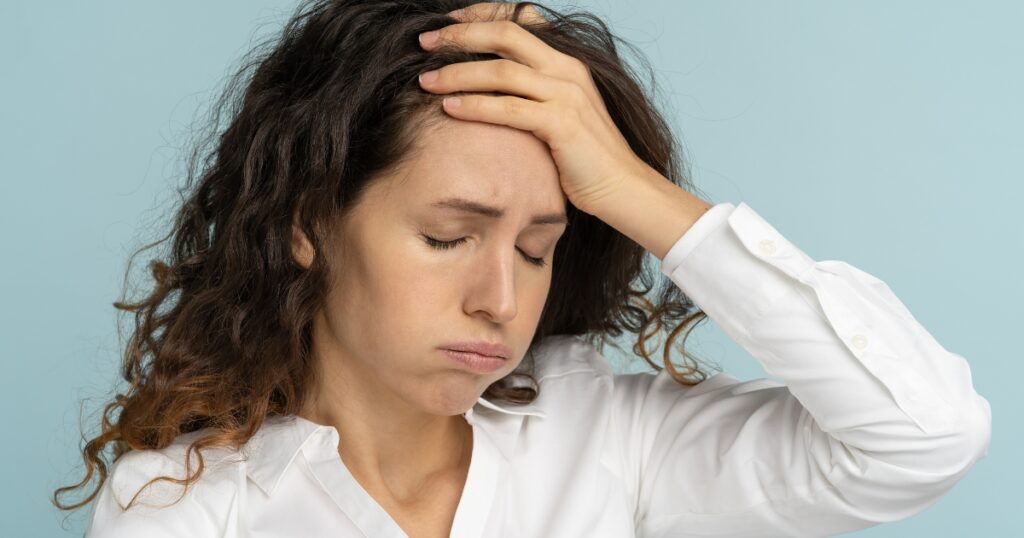
Extreme anxiety is more than fleeting worry or pre-event jitters. It’s a consuming force that can hijack your body and mind, making ordinary tasks feel impossible. When anxiety reaches this intensity, it often signals a clinical condition that requires professional intervention. Understanding what you’re experiencing and recognizing when to seek help are the first steps toward relief.
This guide explains what severe anxiety symptoms look like, how they differ from panic attacks, and what treatment pathways can restore stability. Evidence-based care is available in Texas.
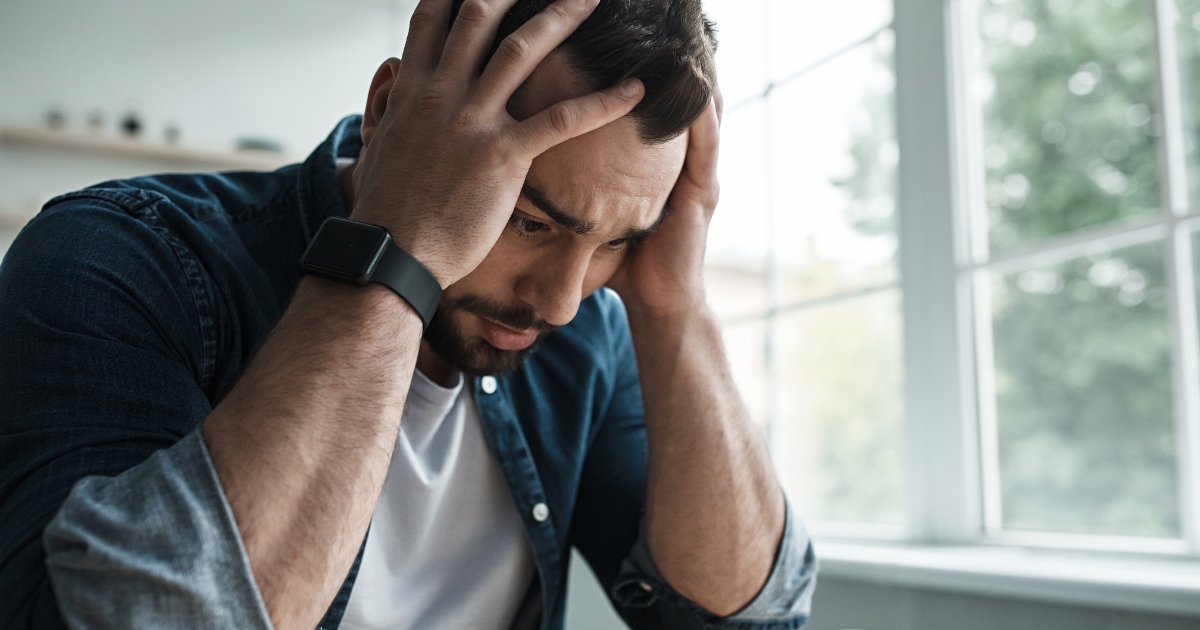
What Extreme Anxiety Feels Like: Recognizing Severe Anxiety Symptoms
These symptoms manifest across physical, emotional, and cognitive domains. Physically, you might experience chest tightness that mimics a heart attack, shortness of breath even at rest, dizziness that makes standing difficult, or gastrointestinal distress. These physical manifestations of extreme anxiety often lead people to emergency rooms convinced they’re having a medical crisis.
Emotionally, the condition creates a pervasive sense of dread that something catastrophic is about to happen, even when logic suggests otherwise. Intrusive thoughts loop endlessly, often centered on worst-case scenarios.
Cognitively, concentration becomes nearly impossible. Sleep disturbances are common—either insomnia driven by racing thoughts or hypersomnia as your body tries to escape the mental exhaustion.
What distinguishes extreme anxiety from temporary stress is persistence and interference. If these symptoms occur most days for weeks or months, and they prevent you from working, maintaining relationships, or completing daily responsibilities, you’re likely dealing with a clinical anxiety disorder rather than situational stress.
Panic Attack vs Anxiety Disorder: What You’re Actually Experiencing
Many people use “panic attack” and “anxiety disorder” interchangeably, but they represent distinct experiences that require different clinical approaches. A panic attack is an acute episode of intense fear that peaks within minutes and typically resolves within 20 to 30 minutes.
An anxiety disorder, by contrast, is a chronic condition characterized by persistent worry and tension that lasts for months. Generalized anxiety disorder involves excessive concern about multiple areas of life—work, health, finances, relationships—with difficulty controlling the worry. Physical symptoms include muscle tension, fatigue, irritability, and restlessness that never fully resolves.
- Panic disorder involves recurrent unexpected panic attacks plus ongoing fear of having another attack, which leads to avoidance behaviors that shrink your life.
- Social anxiety disorder centers on intense fear of judgment or embarrassment in social situations, often causing you to decline invitations or endure events in silent agony.
- Specific phobias trigger extreme fear responses to particular objects or situations—flying, heights, medical procedures—that you recognize as disproportionate but can’t control.
The question of when to seek help for anxiety has a clear answer: when symptoms interfere with your ability to function. If you’re calling in sick to work regularly, avoiding places or people you once enjoyed, professional evaluation is warranted.
What Causes Intense Anxiety and Why It Develops
Extreme anxiety rarely develops from a single factor. Genetic predisposition plays a significant role—if anxiety disorders run in your family, your risk increases substantially. Brain chemistry differences, particularly in neurotransmitters like serotonin and GABA, affect how your nervous system regulates fear and stress responses.
Environmental factors often trigger the condition in vulnerable individuals. Chronic stress from financial insecurity, relationship conflict, or demanding work environments can overwhelm your coping capacity over time. Traumatic experiences—abuse, accidents, natural disasters, sudden loss—can rewire your threat-detection systems, leaving you hypervigilant and easily startled.
| Risk Factor Category | Specific Contributors | Impact Level |
|---|---|---|
| Biological | Family history, brain chemistry differences, medical conditions | High |
| Psychological | Trauma history, learned behaviors, perfectionism, negative thinking patterns | Moderate to High |
| Environmental | Chronic stress, major life transitions, social isolation, financial instability | Moderate |
How to Calm Extreme Anxiety: Immediate Strategies and Long-Term Solutions
If you’re searching for how to calm severe anxiety in the moment, immediate relief techniques can prevent escalation and restore a sense of control. Grounding exercises redirect your attention from internal panic to external reality. The 5-4-3-2-1 sensory method is one effective grounding technique: name five things you can see, four you can touch, three you can hear, two you can smell, and one you can taste. This sensory inventory interrupts the anxiety spiral and anchors you in the present moment.
Controlled breathing counters the hyperventilation that often accompanies panic. Box breathing—inhaling for four counts, holding for four, exhaling for four, holding for four—activates your parasympathetic nervous system and slows your heart rate. These techniques provide temporary relief but don’t address underlying causes.
Evidence-Based Treatment Approaches
Anxiety disorder treatment options include both psychotherapy and medication, with combined treatment often producing the best outcomes. Cognitive-behavioral therapy teaches you to identify distorted thought patterns that fuel anxiety and replace them with more balanced perspectives. Exposure therapy gradually confronts feared situations in a controlled way, reducing avoidance and building confidence.
Medications target the neurochemical imbalances that maintain the condition. Selective serotonin reuptake inhibitors like sertraline and escitalopram are first-line treatments. Benzodiazepines provide rapid relief but carry dependence risks with long-term use, so they’re generally reserved for short-term crisis management.
Levels of Care for Different Severity Levels
Outpatient therapy—weekly or biweekly sessions with a licensed therapist—works well for mild to moderate symptoms that don’t prevent daily functioning. Intensive outpatient programs provide nine to 12 hours of therapy per week while allowing you to live at home and maintain work or school commitments. Partial hospitalization programs offer 6-8 hours daily treatment five to seven days per week for severe cases requiring more intensive support.
| Treatment Level | Time Commitment | Best For |
|---|---|---|
| Outpatient Therapy | 1-2 hours weekly | Mild to moderate symptoms, stable functioning |
| Intensive Outpatient (IOP) | 9-12 hours weekly | Moderate to severe symptoms, some functional impairment |
| Partial Hospitalization (PHP) | 6-8 hours daily, 5-7 days weekly | Severe symptoms, significant functional impairment, crisis stabilization |
| Inpatient Hospitalization | 24-hour care | Imminent safety risk, complete inability to function |
Coping With Overwhelming Anxiety: Building a Sustainable Management Plan
Long-term management requires lifestyle modifications that support nervous system regulation. Regular aerobic exercise reduces baseline anxiety and improves stress resilience. Sleep hygiene matters more than most people realize; consistent sleep schedules improve emotional regulation.
Alcohol disrupts sleep and causes rebound anxiety, worsening symptoms.
Social connection acts as a buffer against anxiety. Isolation amplifies distorted thinking, while supportive relationships provide perspective and practical help. Support groups—whether in-person or online—connect you with others who understand the experience firsthand. For many people living with extreme anxiety, these connections become lifelines during difficult periods.
Anxiety Crisis Management: When Symptoms Escalate
Even with good management, breakthrough symptoms can occur. Having a crisis plan prevents panic about the panic. Your plan should include grounding techniques, emergency contacts, and clear criteria for seeking care. If you experience chest pain that could indicate a cardiac problem, thoughts of self-harm, or complete inability to function, immediate medical evaluation is appropriate. For anxiety-specific crises that don’t meet emergency criteria, the 988 Suicide and Crisis Lifeline provides 24/7 support from trained counselors who can help you through acute episodes.

Finding Relief in Texas at Treat Mental Health Texas
If you’re struggling with extreme anxiety in Texas, Treat Mental Health Texas offers comprehensive treatment programs designed to address severe symptoms and restore functioning. Our clinicians understand that this condition requires personalized care plans tailored to your specific needs. Whether you need intensive outpatient support or a higher level of care, our Texas-based team provides evidence-based treatment in a supportive environment.
Treat Mental Health Texas accepts most major insurance plans. Our programs integrate therapy, group support, medication management when appropriate, and practical skill-building. You don’t have to navigate this alone—reaching out is the first step toward relief. Contact us today to discuss your options and begin your path toward stability and peace.
FAQs
1. What causes extreme anxiety to suddenly develop?
This condition can emerge from genetic predisposition, traumatic experiences, chronic stress accumulation, or medical conditions. Often it’s a combination of biological vulnerability and environmental triggers that overwhelm your coping capacity.
2. How do I know if my anxiety requires professional treatment?
Seek professional help when symptoms interfere with daily functioning, cause you to avoid important activities, trigger frequent panic attacks, or lead to thoughts of self-harm. If the condition persists for weeks despite self-help efforts, clinical intervention is warranted.
3. Can severe anxiety be cured, or will I always struggle with it?
While anxiety disorders are often chronic conditions, they are highly treatable with proper intervention. Most people achieve significant symptom reduction and learn effective management strategies that allow them to live fulfilling lives without constant interference.
4. What’s the difference between anxiety medication and therapy for severe symptoms?
Medication addresses neurochemical imbalances and provides faster symptom relief, typically within weeks. Therapy targets thought patterns and behaviors that maintain the condition, building long-term coping skills. Combined treatment often produces the best outcomes.
5. When should I go to the emergency room for anxiety?
Visit the ER if you experience chest pain that could indicate a heart problem, thoughts of harming yourself, or complete inability to function. For anxiety-specific crises without medical red flags, contact the 988 Suicide and Crisis Lifeline or your treatment provider for immediate support.