 Skip to content






Schizophrenia Drawings: Visual Manifestations of Fragmented Perception
Key Takeaways
- Schizophrenia drawings can offer a window into experiences that are hard to put into words, such as hallucinations and distorted perception.
- Art therapy is used as a supportive, non-verbal outlet and is recommended in some guidelines for negative symptoms, though the research evidence is mixed.
- Drawings are not a stand-alone diagnostic tool and cannot, on their own, confirm schizophrenia or grade its severity.
- Recurring symbols, fragmented forms, and unusual use of space may reflect a person’s inner world, but they require careful professional interpretation.
- Creative expression works best alongside evidence-based treatment, not as a replacement for it.
Art has long been a way for people to express what words cannot capture. For those living with schizophrenia, drawing and painting can give shape to hallucinations, delusions, and the sense that reality has fractured. Schizophrenia drawings are not a diagnosis or a spectacle; they are a form of communication and, often, a step toward healing. This article explores what schizophrenia drawings can reveal, how art therapy supports mental illness expression, and what these images can, and cannot, tell clinicians about the person behind them.
Schizophrenia Drawings as Windows Into Fragmented Perception
Schizophrenia can alter how a person perceives the world, blurring the line between internal experience and external reality. When those experiences are difficult to describe, a drawing can carry them across. Fragmented figures, layered or clashing colors, dense symbolism, and unusual use of space are common features people use to represent a mind that feels split or overwhelmed. Rather than a literal picture of illness, these works are a personal translation of a felt experience.
How Visual Art Reveals Internal Experiences
Visual art bypasses the limits of language. A person who cannot easily explain a voice they hear or a belief that grips them may still be able to sketch its shape, color, or movement. In this way, mental illness illustration becomes a bridge between an inner world and the people trying to understand it. The value lies less in decoding a single image than in opening a conversation the person can guide.
The Role of Art Therapy in Mental Illness Expression
Art therapy is a form of psychotherapy that uses creative activity, guided by a trained therapist, to support emotional expression and reflection. In schizophrenia art therapy, the goal is rarely to produce a finished artwork; it is to give the person a safe, non-verbal way to externalize difficult experiences and feel less alone with them. Major guidelines, including those from the United Kingdom’s National Institute for Health and Care Excellence, have recommended arts therapies for people with schizophrenia, particularly to ease negative symptoms such as withdrawal and flat affect.
Therapeutic Benefits of Creative Output
For many people, the act of creating offers relief, focus, and a sense of agency. Making something concrete can lower distress, support emotional regulation, and provide a manageable way to approach overwhelming material. It is worth being honest about the evidence, though: research on art therapy for schizophrenia is mixed. Some studies report gains in self-esteem, social interaction, and negative symptoms, while a large pragmatic trial found no clear clinical advantage over standard care. Art therapy is best understood as a supportive addition to treatment, not a cure on its own.
Building Emotional Bridges Through Artistic Practice
Beyond symptom relief, art can rebuild connection. Sharing a drawing with a therapist or group invites understanding without demanding explanation, which can ease the isolation that often accompanies psychosis. Over time, a regular creative practice can strengthen the therapeutic relationship, build trust, and give a person a steadier sense of self.
Visual Representation of Hallucinations in Artwork
Hallucinations, especially hearing voices or seeing things others do not, are among the most defining experiences of psychosis. Because they are intensely private, the visual representation of hallucinations in artwork can make them shareable for the first time. People may depict voices as faces, figures, or forces, and visual hallucinations may appear as glowing shapes, eyes, or intrusions into an otherwise ordinary scene. These images do not prove what someone experiences, but they can help a clinician and patient talk about it together.
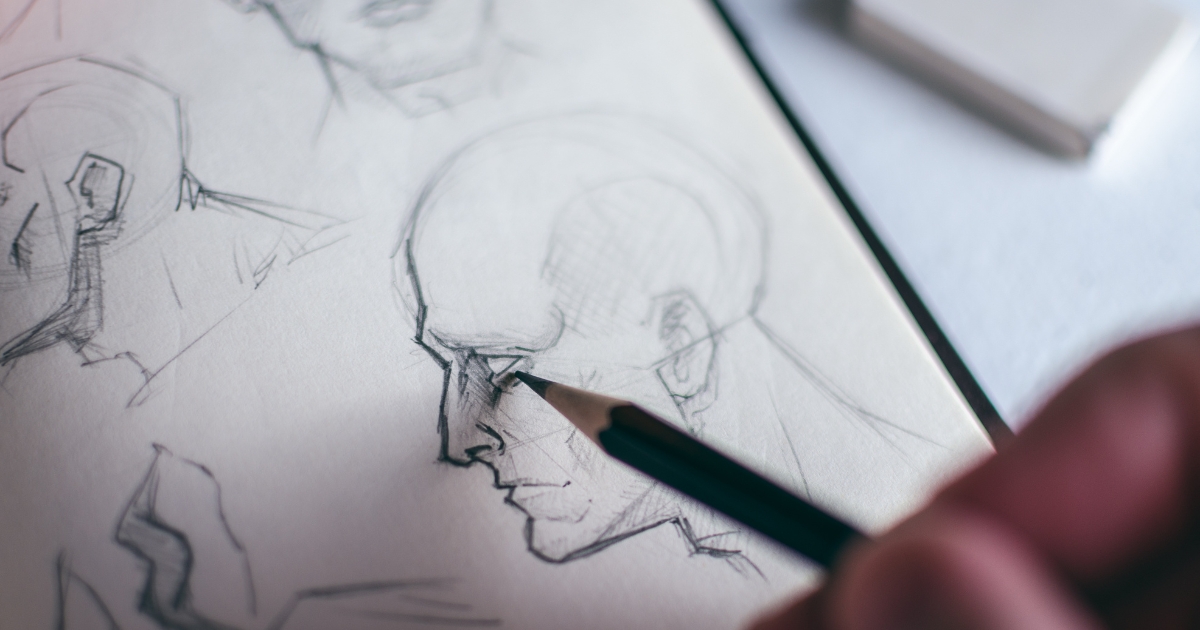
Delusions Expressed Through Creative Mediums
Delusions, or fixed beliefs held despite contrary evidence, can also find their way onto the page. A person experiencing persecutory delusions might draw watchful eyes, barriers, or surveillance, while grandiose or referential beliefs may appear as cosmic scenes or hidden messages. Depicting a delusion does not make it true, but it can externalize the fear or meaning attached to it, creating a little distance between the person and the belief.
Symbolism and Distorted Reality in Patient Creativity
Symbolism is often central to schizophrenia patient creativity. Recurring motifs, private symbols, and distorted proportions can express a reality that feels shifted or charged with meaning. A therapist does not treat these symbols as a code to crack; instead, they follow the person’s own associations, letting the artist explain what an image means to them. This respects the individual and avoids imposing interpretations from the outside.
Psychosis Artistic Depiction and Its Clinical Significance
Psychosis artistic depiction has genuine clinical value, but it is important to be precise about what that value is. Historically, psychiatrists such as Hans Prinzhorn collected and studied patient artwork in the early twentieth century, fascinated by its expressive power. Today, most clinicians see art primarily as a therapeutic and communicative tool rather than a measuring instrument. Images can reveal themes, emotions, and changes over time that inform care, but they are interpreted alongside, not instead of, standard clinical assessment.
What Healthcare Providers Learn From Patient Drawings
Drawings can help providers notice shifts in mood, organization, or preoccupation, and can flag distress a person struggles to voice. A series of works made over weeks may track how someone is responding to treatment. Still, no single feature reliably signals a diagnosis or its severity, so thoughtful clinicians treat drawings as one source of insight among many, always checked against the person’s own words and a full evaluation.
Schizophrenia Symptoms Expression Through Visual Storytelling
When drawings are sequenced or discussed as a narrative, schizophrenia symptom expression becomes visual storytelling. A person might chart the arrival of a voice, the experience of a hospital stay, or the slow return of calm. Telling that story through images can restore a sense of authorship over experiences that felt chaotic, turning something frightening into something that can be named, shared, and worked through.
Finding Healing and Support at Treat Mental Health Texas
If you or a loved one is living with schizophrenia or psychosis, creative expression can be a meaningful part of recovery, but it works best alongside professional, evidence-based care. Treat Mental Health Texas offers compassionate support that treats the whole person, blending proven clinical treatment with space for expression and connection.
Reach out to Treat Mental Health Texas to learn how our team can help you or someone you love find stability, understanding, and hope.

FAQs
-
Can schizophrenia drawings help clinicians diagnose psychosis earlier than traditional assessment methods?
Not on their own. Drawings are not a validated diagnostic test, and no image can confirm schizophrenia by itself, so standardized clinical assessment remains the basis for diagnosis. That said, art can sometimes surface experiences a person struggles to describe, which may prompt earlier conversations and support a fuller evaluation. Some researchers are exploring pattern-based and AI-assisted analysis, but these approaches are still experimental.
-
Why do hallucinations and visual representation in artwork often contain recurring symbols or patterns?
Recurring symbols usually reflect the personal meaning and emotional weight a person attaches to an experience. When a voice or vision returns, the images used to represent it often return too, becoming a kind of private visual language. These patterns are meaningful to the individual rather than universal codes, so they are best understood through the artist’s own explanation.
-
How does art therapy for mental illness improve emotional regulation in schizophrenia patients?
Creating art can slow racing thoughts, provide a focus for attention, and give overwhelming feelings a concrete, manageable form. Externalizing an emotion onto paper can create enough distance to observe and manage it rather than be flooded by it. The evidence on symptom outcomes is mixed, but many people find the process itself calming and grounding, which supports emotional regulation.
-
What specific delusions artwork characteristics indicate severity of psychotic episodes?
There is no validated checklist of artwork features that reliably measures severity. Qualities such as chaotic composition, intense or threatening imagery, or marked disorganization may reflect a person’s distress, but they must be interpreted cautiously and in context by a professional. Artwork can hint at how someone is doing, yet it never replaces a proper clinical assessment.
-
How do schizophrenia symptoms expressed through drawings differ from other mental health conditions?
Drawings tied to psychosis may show fragmentation, unusual symbolism, or depictions of hallucinations and delusions, whereas art linked to depression or anxiety more often centers on mood, heaviness, or worry. These differences are tendencies, not firm rules, and considerable overlap exists. Because content varies so much from person to person, drawings are read as individual expression rather than as a diagnostic signature.
References
- Attard, A., & Larkin, M. (2016). Art therapy for people with psychosis: a narrative review of the literature. The Lancet Psychiatry. https://www.sciencedirect.com/science/article/abs/pii/S2215036616301468
- National Institute for Health and Care Excellence (NICE). Psychosis and schizophrenia in adults: prevention and management (CG178). https://www.nice.org.uk/guidance/cg178
- Chiang, M., et al. (2024). Effects of Visual Art Therapy on Positive Symptoms, Negative Symptoms, and Emotions in Individuals with Schizophrenia: A Systematic Review and Meta-Analysis. https://www.ncbi.nlm.nih.gov/pmc/articles/PMC11171575/


