 Skip to content





Virtual Therapy: How to Overcome Anxiety Without Leaving Home
Key Takeaways
- Virtual therapy is effective. Research shows online therapy for anxiety works about as well as in-person care.
- Access is the breakthrough. Teletherapy removes travel, waiting rooms, and scheduling barriers that keep people from starting.
- CBT translates well online. The gold-standard anxiety treatment adapts naturally to video sessions.
- Your environment matters. A private, comfortable home setup can actually enhance therapeutic progress.
- It’s a real first step. For many, the lower barrier of virtual care is what finally makes getting help possible.
Anxiety has a cruel irony: the very condition that makes leaving the house feel overwhelming is the one that most needs treatment. For years, that catch kept countless people from getting help. Virtual therapy has quietly dismantled that barrier, making it possible to overcome anxiety from the safety of your own home.
This isn’t a lesser form of care. Online therapy for anxiety is backed by solid evidence and, for many people, works better precisely because it’s accessible. Here’s how it works, why it’s effective, and how to set yourself up for real progress.
The Rise of Virtual Therapy in Modern Mental Health Care
Virtual therapy moved from the margins to the mainstream almost overnight, and it stayed because it works. Federal health resources on telehealth for behavioral health reflect how thoroughly virtual care has been integrated into standard treatment. What was once an emergency measure proved to be a lasting improvement in how people access mental health support.
Why Remote Sessions Are Changing Treatment Accessibility
The biggest barrier to mental health care has always been getting through the door. Remote sessions eliminate travel, reduce time off work, and reach people in areas with few local providers. For someone with anxiety, removing those hurdles can be the difference between starting treatment and putting it off indefinitely. Accessibility isn’t a minor convenience here — it’s often what makes care possible at all.
Understanding Anxiety and Its Impact on Daily Life
Anxiety is more than occasional worry. It’s a persistent state of heightened threat response that can dominate thoughts, drain energy, and shrink a person’s world as they avoid more and more situations. Left untreated, it tends to intensify, which is why recognizing its impact and seeking help early matters so much.
Physical Symptoms That Signal You Need Support
Anxiety is as physical as it is mental, and the body often signals trouble first. Common physical signs include:
- A racing heart or chest tightness.
- Muscle tension, especially in the neck, shoulders, and jaw.
- Digestive issues, nausea, or appetite changes.
- Fatigue despite adequate rest.
- Restlessness or a constant sense of being on edge.
When these physical symptoms show up regularly without a medical cause, they’re often anxiety asking for attention — and a sign that professional support could help.
How Anxiety Affects Work, Relationships, and Sleep
Untreated anxiety rarely stays contained. At work, it fuels procrastination, difficulty concentrating, and burnout. In relationships, it can drive irritability, withdrawal, or constant reassurance-seeking that strains the connection. And it notoriously wrecks sleep, creating a vicious cycle where exhaustion worsens anxiety and anxiety prevents rest. Seeing how far anxiety reaches into daily life is often what motivates people to finally address it.
Benefits of Online Counseling for Anxiety Management
Online counseling offers real, specific advantages for people managing anxiety:
- Comfort of home, which can make opening up feel easier.
- No travel or waiting rooms, removing common anxiety triggers.
- Flexible scheduling that fits around work and life.
- Broader provider choice, including specialists you couldn’t reach locally.
- Continuity, since sessions continue even when travel or routine changes.
For anxiety specifically, these aren’t small perks — they lower the barriers that anxiety itself throws up, making consistent treatment realistic.
| Factor | Virtual Therapy | Traditional In-Person |
| Getting there | From home, no travel | Requires a commute |
| Scheduling | Flexible, including evenings | Limited to office hours |
| Anxiety triggers | Avoids waiting rooms and travel | May involve triggering settings |
| Provider choice | Wider, including specialists | Limited to your local area |
| Effectiveness for anxiety | Comparable to in-person | The established standard |
Effective Teletherapy Techniques for Anxiety Relief
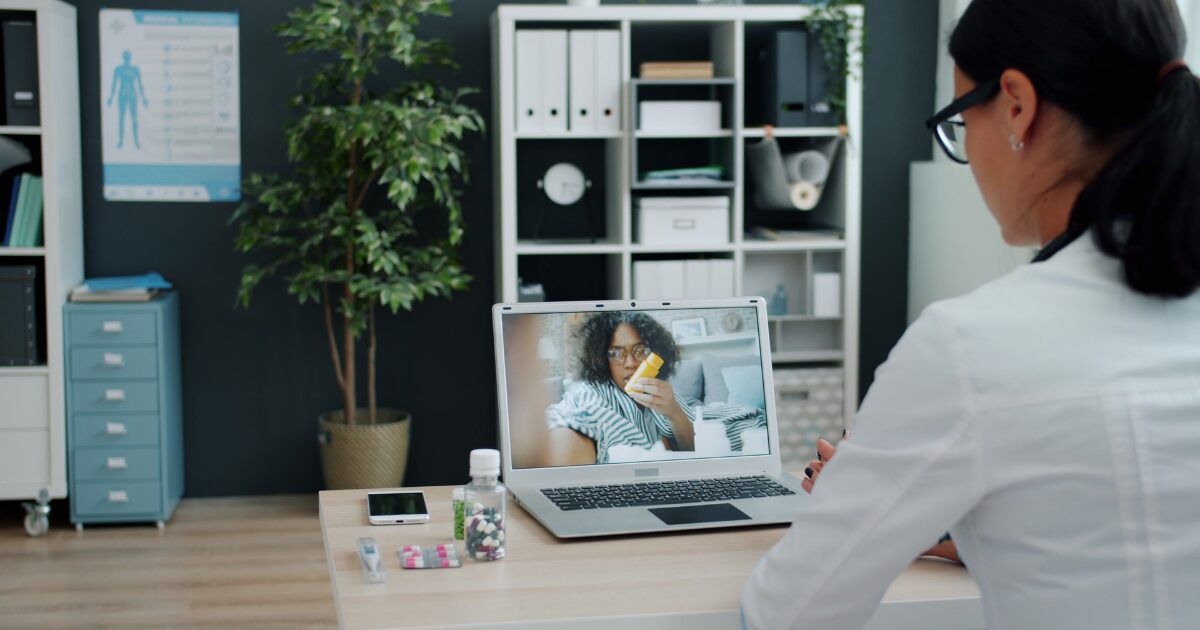
The techniques that relieve anxiety translate remarkably well to a screen. Therapists guide clients through the same evidence-based methods used in person — cognitive restructuring, relaxation training, and gradual exposure — with the added benefit of practicing them in the client’s real environment.
Cognitive Behavioral Approaches in Digital Settings
Cognitive behavioral therapy, the most effective anxiety treatment, works seamlessly online. Clients learn to identify anxious thought patterns, test them against reality, and replace them with balanced thinking, all through guided video sessions. Exposure work can be especially powerful remotely, because clients confront feared situations in the actual settings where anxiety occurs. Digital worksheets, apps, and between-session messaging reinforce the skills, keeping momentum going between appointments.
Creating a Safe Space: Setting Up Your Home for Mental Health Support
One underrated advantage of virtual therapy is that you control the environment. A thoughtful setup can make sessions more comfortable and more productive than a clinical office ever would.
Environmental Factors That Enhance Therapeutic Progress
A few simple adjustments create a space that supports the work:
- Privacy, so you can speak freely without being overheard.
- A quiet, interruption-free window of time protected from family or roommates.
- Comfortable, familiar surroundings that help you relax.
- A reliable device and connection to avoid disruptive technical issues.
- A few grounding items nearby, like water, tissues, or a comfort object.
Getting the environment right removes friction and lets you focus fully on the therapy, which directly supports your progress.
When to Seek Professional Help Through Digital Mental Health Platforms
It’s time to seek help when anxiety persists, interferes with daily life, or you find yourself avoiding more and more. You don’t need to be in crisis to benefit — earlier treatment is easier and more effective. Digital platforms make that first step lower-stakes: you can connect with a licensed professional from home, often within days. General tips for improving mental health can complement professional care, but they aren’t a substitute for it. If anxiety is affecting your work, relationships, or sleep, that’s reason enough to reach out.
Taking Your First Step Toward Healing With Treat Mental Health Texas
Overcoming anxiety doesn’t require white-knuckling it alone or waiting until things get unbearable. Virtual therapy makes effective, evidence-based help accessible from wherever you feel safest.
Treat Mental Health Texas offers convenient, licensed virtual therapy for anxiety and related concerns, so you can start healing without leaving home. Reach out to take your first step. If you’re in crisis, call or text 988.

FAQs
-
How does teletherapy for anxiety differ from traditional in-person counseling sessions?
The therapy itself is the same — the same evidence-based techniques, delivered by the same licensed professionals. The difference is format: sessions happen by video from home rather than in an office. For anxiety, that often helps, since it removes triggers like travel and waiting rooms and lets you practice coping skills in your real environment. Research finds outcomes comparable to in-person care for most people.
-
Can online behavioral therapy effectively treat severe anxiety without medication?
Often, yes. Cognitive behavioral therapy, including exposure work, is a first-line treatment for anxiety and helps many people significantly without medication. Delivered online, it retains its effectiveness. That said, severe anxiety sometimes benefits from combining therapy with medication, which a provider can help you weigh. The right approach depends on severity and personal response, but online behavioral therapy alone is genuinely effective for many.
-
What equipment or technology do I need to start digital mental health sessions?
Very little. You need a smartphone, tablet, or computer with a camera and microphone, a reliable internet connection, and a private, quiet space. Most platforms work through a simple app or web link with no special software. Testing your device and connection beforehand prevents disruptions. The low technical bar is part of what makes virtual therapy so accessible — most people already own everything they need.
-
How quickly will I see results from anxiety treatment through virtual counseling?
Many people notice some relief within the first few weeks as they learn and practice coping skills, with more substantial improvement over a couple of months. Structured approaches like CBT are often relatively brief. The pace depends on your specific anxiety, its severity, and how consistently you practice between sessions. Virtual care can actually speed progress by making regular attendance easier to maintain.
-
Is online depression therapy covered by insurance plans and what costs should I expect?
Most insurance plans now cover online therapy, often at the same rate as in-person visits, thanks to expanded telehealth policies and mental health parity rules. Costs vary by plan — you may owe only a copay in-network, while out-of-network care costs more. Always verify your specific benefits, including copays and any visit limits, before starting. Many providers also offer transparent self-pay or sliding-scale options.
References
- U.S. Department of Health and Human Services. Telehealth for Behavioral Health Care: Individual Teletherapy.
- MedlinePlus, U.S. National Library of Medicine. How to Improve Mental Health


