 Skip to content






Online Therapy for Phobias: How Virtual Sessions Rewire Your Fear Response
Key Takeaways
- Online phobia therapy is proven and effective. Virtual sessions deliver the same evidence-based methods as in-person care, and many patients open up more and progress faster when treated from the comfort of home.
- Exposure-based treatment rewires the fear response. Techniques like progressive desensitization, CBT, and virtual reality therapy teach the brain’s alarm system (the amygdala) to stop overreacting, weakening the fear response over time.
- Treatment adapts to each phobia. Social phobia, specific phobias, agoraphobia, and health anxiety each follow tailored paths, using gradual, controlled exposure paced to the patient’s readiness.
Fear is a normal part of life. But when it takes over and stops you from doing everyday things, it becomes a problem. Millions of people live with phobias that make simple tasks feel impossible. The good news is that help is now more accessible than ever. Online therapy for phobias has changed the way people get treated.
You no longer need to sit in a waiting room or drive across town to get better. Virtual sessions bring real, proven treatment right to your home. Whether your fear is of heights, social situations, or something else entirely, online care can help you take your life back.
What Makes Virtual Sessions Effective for Phobia Treatment
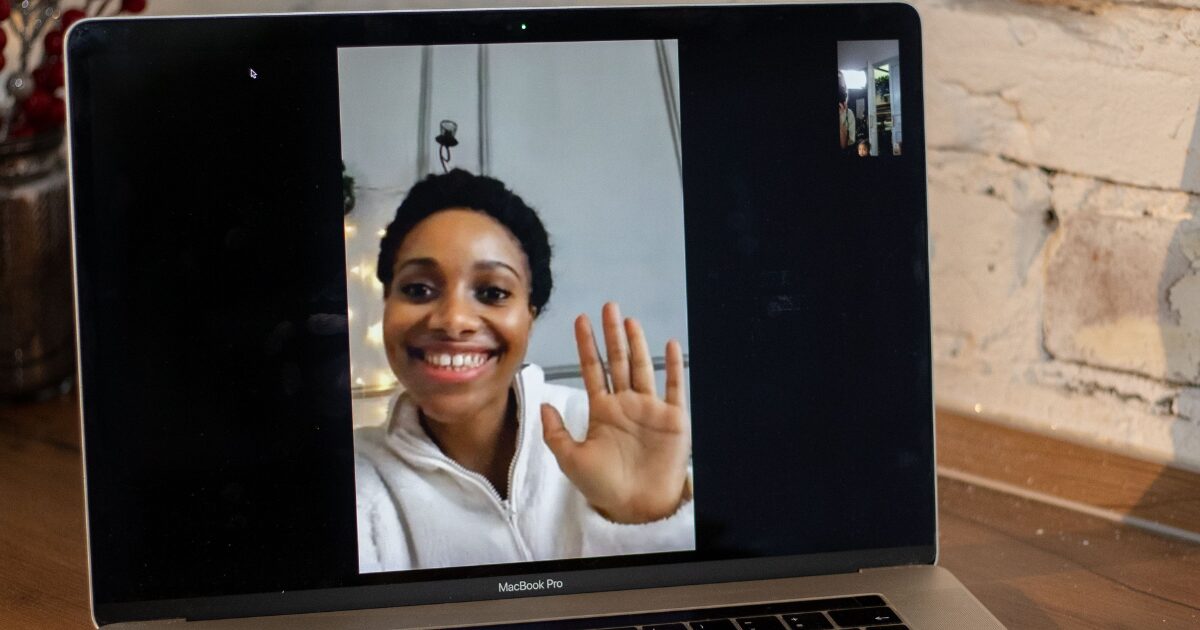
Many people wonder if therapy done online can actually work. The answer is yes, and research backs it up. Virtual sessions use the same proven methods as in-person care but in a setting that feels safer and more familiar to the patient. When people feel comfortable, they open up more. That makes the treatment more effective from the very first session.
How Exposure Therapy Works in Digital Environments
Exposure therapy is one of the most trusted tools for treating phobias. The idea is simple. A therapist helps you face your fear in small, controlled steps until it no longer feels threatening. In online settings, this works through guided conversations, videos, and virtual exercises. Your therapist walks you through the process at a pace that feels right for you. Over time, your brain learns that the feared thing is not actually dangerous. This rewiring is real and lasting.
The Science Behind Fear Response Rewiring
Your brain has a built-in alarm system called the amygdala. When you encounter something scary, it fires off a stress response. Phobias happen when this alarm goes off too often or too strongly for things that are not truly dangerous. Therapy works by teaching your brain to calm that alarm down. Through repeated, safe exposure and guided thinking exercises, your nervous system starts to respond differently. The fear response gets weaker over time.
Cognitive Behavioral Therapy Techniques for Online Settings
Cognitive behavioral therapy teaches people to notice and challenge the thoughts that feed their fears. In online sessions, therapists use worksheets, video calls, and journaling exercises to help patients work through these patterns. A patient afraid of flying, for example, might write down their fearful thoughts and then examine whether those thoughts are true. Over several sessions, the fearful thinking changes. The NHS recognizes cognitive behavioral therapy as a first-line treatment for anxiety disorders.
Breaking the Anxiety Disorder Cycle Through Structured Sessions
Anxiety disorders often feed on themselves. The more you avoid what scares you, the bigger the fear grows. Structured virtual sessions break this cycle by building a routine of small, safe challenges. Each session builds on the last. Patients start to feel small wins early, and those wins add up fast.
Virtual Reality Therapy: Next-Generation Fear Treatment
Virtual reality therapy is an exciting new tool in fear treatment. It creates computer-generated environments where patients can face their fears in a completely safe space. Someone with a fear of crowds can practice being in a busy virtual mall. Someone afraid of spiders can encounter a virtual spider without any real danger. Therapists can control every part of the experience, making it gentler or more challenging based on what the patient needs. This technology is becoming part of many online therapy programs and is showing strong results.
Desensitization Strategies That Produce Real Results
Desensitization is the process of slowly reducing a fear reaction through repeated, calm exposure. It is one of the most effective strategies in phobia care, and it works especially well in virtual settings where the patient feels in control.
Progressive Exposure in Online Counseling Frameworks
Progressive exposure in online counseling follows a clear ladder structure. Here is how a typical plan looks for someone with a fear of dogs:
| Step | Activity | Goal |
| 1 | Look at photos of dogs | Reduce visual fear response |
| 2 | Watch videos of dogs | Build comfort with movement |
| 3 | Listen to dog sounds | Reduce audio triggers |
| 4 | Virtual reality dog encounter | Simulate real presence safely |
| 5 | Real-life brief interaction | Transfer progress to real world |
Each step is only attempted when the patient feels ready. This keeps the process safe and effective.
Phobia Management Across Different Anxiety Disorders
Phobia management looks different depending on the type of fear involved. Social phobias, specific phobias, and agoraphobia each have their own treatment path. Here are the most common types and how online therapy addresses them:
- Social phobia is treated with role-play exercises and gradual social challenges done through video sessions.
- Specific phobias like fear of heights or animals are addressed with progressive virtual exposure.
- Agoraphobia is managed by building confidence in small, virtual outings before attempting real ones.
- Health anxiety is handled through structured thought-challenging and reality-testing exercises.
- Performance anxiety is reduced by practicing feared scenarios in low-stakes virtual settings.
The National Institute of Mental Health offers detailed information on anxiety disorder types.
Why Online Therapy for Phobias Outperforms Traditional Methods
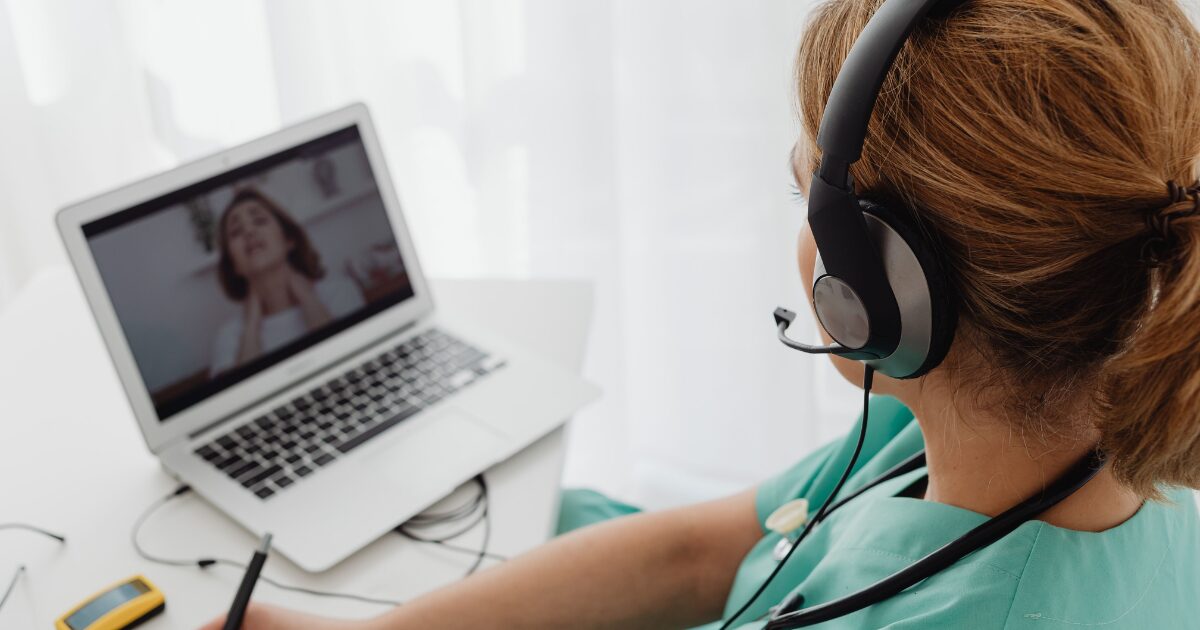
Online therapy for phobias removes many of the barriers that stop people from getting help. There is no commute, no waiting room, and no need to take a full day off work. Patients can attend sessions from their bedroom, which often feels less threatening than a clinic. For people whose phobia involves leaving the house, this is a huge advantage. Research also shows that many patients are more honest with their therapist when they are in their own space. All of this adds up to better outcomes and faster progress.
Getting Started With Virtual Fear Treatment at Treat Mental Health Texas
Taking the first step toward healing can feel scary, but you do not have to do it alone. At Treat Mental Health Texas, our team is ready to help you face your fears with proven, compassionate care. Online therapy for phobias is available now, and getting started is easier than you think. Simply reach out, and we will match you with a therapist who understands your needs. Your journey to a calmer, freer life starts with one conversation. Do not let fear keep running your life. Visit us today and take that first step.
FAQs
-
How long does virtual reality therapy typically take to reduce specific phobia symptoms?
Most patients notice meaningful progress within eight to twelve structured sessions. Results depend on how consistently the patient engages with each guided exposure. Severe phobias may need additional sessions to achieve full lasting relief.
-
Can cognitive behavioral therapy effectively treat multiple anxiety disorders simultaneously through online sessions?
Yes, therapists often target overlapping anxiety patterns within the same structured session. Shared thought patterns across disorders allow one technique to address multiple fears. Progress in one area often speeds up improvement in other related anxiety concerns.
-
What makes progressive desensitization more successful in virtual counseling than in-person exposure therapy?
Patients feel safer facing fears from the comfort of their own familiar home. Therapists can pause or adjust the exposure level in real time during sessions. The virtual setting removes logistical barriers that often slow in-person treatment progress.
-
How does online therapy rewire fear responses without requiring in-person clinical settings?
Guided virtual exposure creates real neurological changes in how the brain processes fear. Repeated safe experiences teach the amygdala to stop triggering unnecessary alarm responses. Online sessions produce the same brain-level rewiring as traditional in-person phobia treatment.
-
Which phobia management techniques work best for patients unable to attend traditional therapy appointments?
Progressive virtual exposure and thought-challenging exercises work well for homebound patients. Structured journaling combined with video sessions builds steady progress between appointments. Therapist-guided breathing and grounding techniques are easy to practice independently at home.
References
- National Health Service (NHS). Cognitive Behavioural Therapy (CBT).
- National Institute of Mental Health. Anxiety Disorders.


