Skip to content




The Festival of Lights celebrates miracles, family gatherings and the triumph of hope over darkness. Yet for many individuals, depression during Hanukkah creates a painful contrast between the joy expected of the season and the heaviness they actually feel. When candles glow in windows and families gather for celebration, those struggling with Jewish holiday depression may feel more isolated than ever, wondering why they cannot experience the warmth that surrounds them.
Understanding that depression during Hanukkah affects many people helps reduce the shame and isolation that compound holiday struggles. The winter timing of Hanukkah coincides with reduced daylight that can trigger seasonal affective disorder Hanukkah symptoms, while the emphasis on family celebration intensifies loneliness during Hanukkah for those separated from loved ones or grieving losses. By recognizing Hanukkah depression symptoms and accessing appropriate support, individuals can find meaningful ways to navigate the holiday while caring for their mental health.
Understanding Depression During the Jewish Holiday Season
Jewish holiday depression can stem from multiple sources that converge during Hanukkah. The combination of seasonal factors, family dynamics, cultural expectations and personal circumstances creates unique challenges that differ from everyday depression experiences.
Common contributors to Hanukkah depression include:
- Reduced daylight triggering seasonal affective disorder symptoms
- Grief over loved ones who are no longer present
- Family conflicts or estrangements highlighted by holiday gatherings
- Financial stress from gift-giving expectations
- Feeling disconnected from Jewish community or traditions
- Comparison to others who appear to be celebrating joyfully
- Memories of past Hanukkahs during happier times
- Pressure to feel happy when struggling internally
The expectation that Hanukkah should be a time of joy can intensify depression rather than alleviate it. When internal experience conflicts with external expectations, individuals may feel guilty for not feeling festive, creating additional emotional burden during an already difficult time.

Recognizing Hanukkah Depression Symptoms
Identifying Hanukkah depression symptoms enables earlier intervention and more effective support. While some symptoms mirror general depression, the holiday context creates specific patterns worth recognizing.
| Symptom Category | How It May Manifest During Hanukkah | Warning Signs |
| Mood changes | Sadness when lighting candles, tearfulness during gatherings | Crying during traditions, inability to feel joy |
| Social withdrawal | Avoiding Hanukkah parties, declining family invitations | Making excuses, isolating during celebrations |
| Energy changes | Exhaustion from holiday activities, difficulty participating | Cannot maintain traditions, sleeping through events |
| Appetite changes | Overeating or avoiding holiday foods | No interest in latkes or sufganiyot, binge eating |
| Cognitive symptoms | Difficulty concentrating on prayers, negative self-talk | Cannot focus on blessings, feeling worthless |
| Physical symptoms | Headaches, body aches, sleep disruption | Somatic complaints increasing around holiday |
These symptoms may intensify as Hanukkah approaches and during the eight nights of celebration. Recognizing the pattern helps individuals and their loved ones seek appropriate Hanukkah depression help before symptoms become overwhelming.
The Connection Between Seasonal Affective Disorder and Hanukkah
Seasonal affective disorder Hanukkah connections deserve particular attention because the holiday falls during winter’s shortest days. The reduced sunlight that triggers SAD coincides precisely with a celebration centered on light, creating both challenges and potential therapeutic opportunities.
How SAD affects Hanukkah experience:
- Low energy making holiday preparations feel overwhelming
- Increased sleep needs conflicting with evening celebrations
- Carbohydrate cravings coinciding with fried holiday foods
- Difficulty feeling motivated for family gatherings
- Mood symptoms peaking during candle-lighting evenings
The symbolism of Hanukkah, bringing light into darkness, holds particular meaning for those experiencing seasonal depression. While the metaphor offers comfort, practical light-based interventions can complement the holiday’s spiritual message with therapeutic benefit.
Light-Based Strategies for Mood Support
The Hanukkah tradition of increasing light each night aligns beautifully with evidence-based approaches to seasonal depression. Incorporating light therapy and light awareness into holiday observance can support both spiritual practice and mental health.
| Light-Based Strategy | How to Implement | Mental Health Benefit |
| Light therapy box | Use 10,000 lux box each morning | Regulates circadian rhythm, improves mood |
| Extended candle time | Sit with menorah longer, add additional candles | Increases light exposure, encourages mindfulness |
| Outdoor morning time | Walk outside during daylight hours | Natural light exposure supports serotonin |
| Bright indoor lighting | Increase home lighting during dark hours | Reduces evening mood decline |
| Dawn simulation | Use sunrise alarm clock | Eases morning awakening, improves energy |
| Mindful candle focus | Meditate on candle flames during lighting | Combines light exposure with calming practice |
These strategies honor the Hanukkah tradition of bringing light into darkness while providing practical mood support. The integration of spiritual practice and mental health care can make both more meaningful.
Coping With Loneliness During Hanukkah
Loneliness during Hanukkah affects those who are physically isolated as well as those who feel emotionally disconnected despite being surrounded by others. Coping with Hanukkah depression often requires directly addressing this isolation.
Strategies for managing holiday loneliness:
- Reach out to Jewish community organizations offering holiday programming
- Connect with others who may also be alone through synagogue outreach
- Create new traditions that feel meaningful for current circumstances
- Use video calls to connect with distant family members
- Volunteer to help others during the holiday season
- Attend community menorah lightings for connection without intimate gathering pressure
- Join online Jewish communities sharing holiday observance
For those estranged from family or grieving losses, acknowledging the difficulty of the holiday rather than forcing false cheer often feels more authentic. Creating space for both sadness and celebration allows for honest emotional experience.
Finding Hanukkah Mental Health Resources
Accessing Hanukkah mental health resources provides crucial support during a challenging time. Multiple sources of help exist for those experiencing depression during Hanukkah support needs.
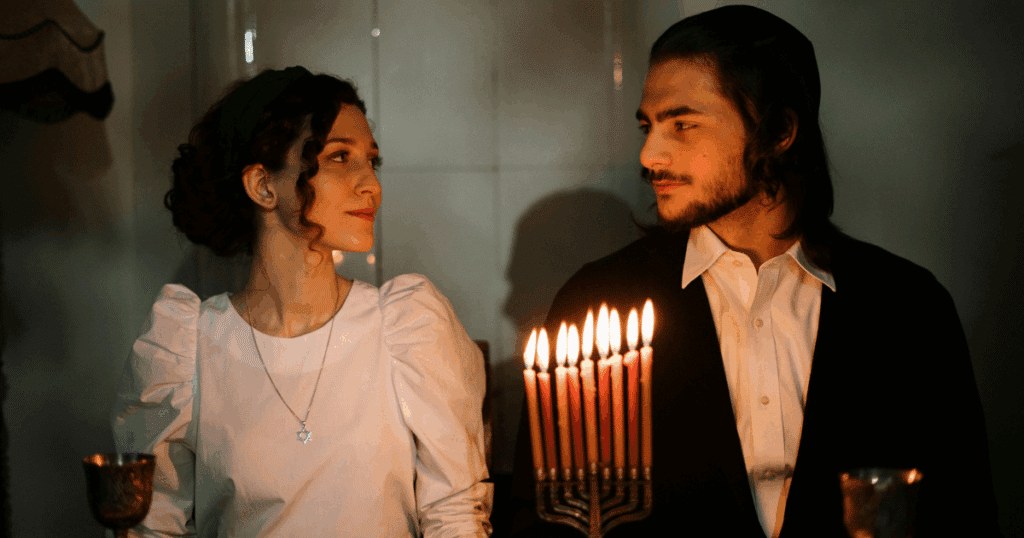
Available resources include:
- Mental health professionals experienced with holiday depression
- Jewish community services offering counseling and support groups
- Crisis lines available throughout the holiday period
- Rabbis and spiritual counselors trained in pastoral care
- Online support communities for Jewish mental health
- Synagogue-based programs addressing holiday struggles
- Family service agencies within Jewish communities
Seeking help during a holiday is not a sign of weakness but rather an act of self-care that honors the value Judaism places on preserving life and health. Mental health treatment is compatible with and often enhanced by spiritual practice and community connection.
The Role of Family and Community Support
Family and community play crucial roles in depression during Hanukkah support, whether as sources of help or as contexts requiring navigation. Understanding how to offer support and how to set boundaries enables healthier holiday experiences for everyone involved.
How family members can help:
- Check in genuinely rather than assuming holiday cheer
- Reduce pressure around participation in traditions
- Create space for honest conversation about struggles
- Offer practical help with holiday preparations
- Include without overwhelming those who are struggling
- Respect boundaries around family gatherings
- Avoid toxic positivity that dismisses real pain
Community support extends beyond family to include synagogue communities, Jewish organizations and broader social networks. Communities that acknowledge the reality of holiday depression alongside celebration create more inclusive and supportive environments for all members.
Creating Meaningful Observance Despite Depression
Depression need not eliminate Hanukkah observance entirely. Adapting traditions to current capacity allows for meaningful connection with the holiday even when full participation feels impossible.
Adapting Hanukkah observance:
- Light candles even briefly if full ceremony feels too difficult
- Choose one or two meaningful traditions rather than all of them
- Allow modified participation that respects energy limits
- Focus on the holiday’s themes of resilience and hope
- Remember that the miracle was oil lasting beyond expected capacity
- Accept that this year’s observance may look different from past years
The Hanukkah story itself speaks to perseverance during difficult times. Finding personal meaning in that narrative can provide comfort while allowing for authentic acknowledgment of current struggles.
Kindling Hope: Your Path Forward With Treat Mental Health Texas
Depression during Hanukkah dims what should be a season of light, but help is available for those struggling with Jewish holiday depression, seasonal affective disorder or loneliness during Hanukkah. Recognizing Hanukkah depression symptoms and accessing appropriate Hanukkah mental health resources enables individuals to find support while honoring their connection to tradition and community. The Festival of Lights reminds us that even small flames can push back darkness, and seeking help represents one way of kindling that light. Treat Mental Health Texas provides compassionate mental health care for individuals experiencing depression, seasonal affective disorder and holiday-related struggles. Our experienced clinicians understand the unique challenges of depression during Hanukkah and offer culturally sensitive treatment that respects the intersection of mental health and spiritual life. We work with individuals and families to develop effective coping strategies while supporting meaningful connection to traditions that matter.
If you or someone you love is struggling with depression during this holiday season, professional support can make a meaningful difference. Contact Treat Mental Health Texas today to learn more about our services and begin your journey toward finding light even in the darkest times.
FAQs
What are common Hanukkah depression symptoms to look out for during the Jewish holiday season?
Common symptoms include persistent sadness during celebrations, tearfulness when lighting candles or gathering with family, social withdrawal from Hanukkah parties and events, changes in sleep and appetite, difficulty concentrating on prayers and blessings, and physical symptoms like headaches or fatigue. The contrast between expected holiday joy and internal struggle often intensifies feelings of guilt or worthlessness. These symptoms may increase as Hanukkah approaches and continue throughout the eight nights of celebration.
How can someone find effective Hanukkah mental health resources and support for depression?
Effective resources include mental health professionals experienced with holiday depression, Jewish community services offering counseling and support groups, and synagogue-based programs addressing seasonal struggles. Crisis lines remain available throughout the holiday period, and online Jewish mental health communities provide connection for those who are isolated. Reaching out to rabbis trained in pastoral care can provide support that integrates spiritual and mental health needs.
What strategies can help in coping with Hanukkah depression and feelings of loneliness during the holiday?
Helpful strategies include connecting with Jewish community organizations offering holiday programming, attending community menorah lightings for connection without intimate gathering pressure, and reaching out to others who may also be alone. Creating new traditions meaningful for current circumstances, using video calls with distant family and volunteering to help others can reduce isolation. Acknowledging difficulty honestly rather than forcing false cheer often feels more authentic and sustainable.
How does seasonal affective disorder impact depression during Hanukkah, and what are light-based mood care techniques?
Seasonal affective disorder impacts Hanukkah experience through low energy making preparations overwhelming, increased sleep needs conflicting with evening celebrations, and mood symptoms peaking during the darkest days of winter. Light-based techniques include using 10,000 lux light therapy boxes each morning, extending time sitting with menorah candles, getting outdoor exposure during daylight hours and increasing indoor lighting. Dawn simulation alarm clocks and mindful meditation on candle flames combine practical light exposure with calming practices.
How can family and community play a role in providing depression during Hanukkah support?
Family members can help by checking in genuinely rather than assuming holiday cheer, reducing pressure around participation in traditions, creating space for honest conversation and offering practical help with preparations. Community support through synagogue programs, Jewish organizations and social networks creates inclusive environments that acknowledge holiday struggles alongside celebration. Avoiding toxic positivity that dismisses real pain while respecting boundaries around gatherings helps those who are struggling feel supported rather than pressured.